
Honor 90 vs iPhone Air

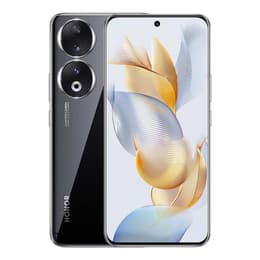
Honor 90
Honor 90
A partire da

Prezzo del ricondizionato:165,00 €

Rispetto a 788,00 € del nuovo

Vedi opzioni
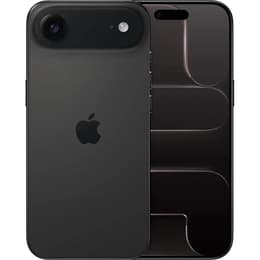
iPhone Air
iPhone Air
A partire da

Prezzo del ricondizionato:664,05 €

Rispetto a 1239,00 € del nuovo

Vedi opzioni

Recensioni

The Honor 90, released in 2023, and the iPhone Air, introduced in late 2025, represent distinct approaches to smartphone design and functionality. While the Honor 90 operates on Android with Honor's MagicOS interface, the iPhone Air runs on Apple's iOS platform. These devices cater to different user preferences, with the Honor 90 emphasizing a comprehensive camera system and a large battery, and the iPhone Air focusing on an exceptionally thin and light design with advanced display technology.

Punteggi

Durata del dispositivo

The practical lifespan of a smartphone is influenced by its release timeline, software support, and physical resilience.

  • Release Timeline: The Honor 90 was launched in mid-2023, while the iPhone Air debuted in September 2025. This difference means the iPhone Air benefits from a more recent hardware foundation and a longer potential period of relevance before its specifications become outdated.
  • Software Support: The Honor 90 typically receives approximately two years of major Android OS updates and three years of security updates. The iPhone Air, running iOS, is expected to receive software updates for a longer duration, generally around five to six years from its release, extending its software longevity.
  • Physical Durability: The Honor 90 features a glass front and back with a plastic frame, offering a balanced level of protection. The iPhone Air incorporates a polished titanium frame and Ceramic Shield 2 on the front and Ceramic Shield on the back, contributing to its overall resilience against drops and scratches. Both devices offer IP68 water and dust resistance.

Anno di uscita

2023

2025

Compatibile con l'ultimo aggiornamento

No

Sistema operativo

Android

iOS

Piegabilità

No

No

Prestazioni

Evaluating smartphone performance involves considering how smoothly devices handle daily tasks, demanding applications, and multitasking scenarios.

  • Processing Capabilities: The Honor 90 is equipped with a processor designed for efficient performance across a range of applications, providing a responsive experience for everyday use and moderate gaming. The iPhone Air features a current-generation processor that delivers substantial power for intensive tasks, complex applications, and advanced mobile gaming, ensuring smooth operation and quick app loading times.
  • Multitasking and Storage: The Honor 90 offers various RAM configurations, including options up to 16GB, which supports fluid multitasking with multiple applications open simultaneously. The iPhone Air comes with 12GB of RAM, providing ample capacity for demanding workflows and seamless transitions between applications. Both devices offer generous internal storage options, with the iPhone Air extending up to 1TB, catering to users with extensive media libraries or numerous applications.
  • Battery Behavior: The Honor 90 includes a 5000mAh battery, which typically provides extended usage throughout a day for many users. The iPhone Air, due to its focus on a thin design, has a smaller battery capacity. While its efficient processor and optimized software contribute to practical daily use, heavy users might find themselves needing to charge more frequently.

Memoria (GB)

8 GB

12 GB

Schermo

The display is a primary interaction point, and differences in technology, resolution, and brightness significantly impact the user experience.

  • Display Technology and Resolution: The Honor 90 features a 6.7-inch AMOLED display with a resolution of 1200x2664 pixels, offering vibrant colors and deep blacks. The iPhone Air has a 6.5-inch OLED display with a higher resolution of 2736x1260 pixels, resulting in a sharper image and greater detail.
  • Brightness and Refresh Rate: Both devices offer a 120Hz refresh rate, contributing to smoother scrolling and more fluid animations. The Honor 90 can reach a peak brightness of 1600 nits, providing good visibility in various lighting conditions. The iPhone Air excels in brightness, achieving up to 3000 nits peak brightness, which enhances outdoor visibility and HDR content viewing.
  • Viewing Experience: The Honor 90's curved display offers an immersive viewing experience. The iPhone Air's display includes an Always-On feature and ProMotion technology, which dynamically adjusts the refresh rate for power efficiency and responsiveness.

Risoluzione

1200 x 2664

2736x1260

Tipo di schermo

AMOLED

Super Retina XDR

Esperienza audiovisiva

Camera systems are a key differentiator, influencing how users capture and share their experiences.

  • Rear Camera System: The Honor 90 boasts a versatile triple-camera setup, featuring a 200-megapixel main sensor, a 12-megapixel ultrawide and macro lens, and a 2-megapixel depth sensor. This configuration allows for detailed photos and a variety of shooting modes. The iPhone Air features a 48-megapixel main camera with sensor-shift optical image stabilization, capable of producing high-quality images and offering a 2x optical-quality telephoto zoom from the main sensor. It does not include a dedicated ultrawide lens.
  • Low-Light and Video Performance: Both devices are capable of capturing good images in everyday lighting. The iPhone Air's larger main sensor and advanced image processing contribute to strong low-light performance and detailed video recording, including 4K Dolby Vision at up to 60 frames per second. The Honor 90 also offers 4K video recording.
  • Front Camera and Audio: The Honor 90 is equipped with a 50-megapixel front camera, suitable for high-resolution selfies and video calls. The iPhone Air features an 18-megapixel Center Stage front camera, which can adjust its field of view during video calls to keep subjects centered. For audio, the iPhone Air's thin design leads to a single top-firing speaker, which may offer a less rich audio experience compared to devices with more robust speaker setups.

Fotocamera principale

200 megapixels

48 megapixels

Fotocamera frontale

50 megapixels

18 megapixels

Varie

Beyond core features, several practical elements contribute to the overall user experience and device utility.

  • Connectivity Standards: Both smartphones support 5G connectivity for fast mobile data. The Honor 90 includes Wi-Fi 6 and Bluetooth 5.2. The iPhone Air features more advanced connectivity with Wi-Fi 7 and Bluetooth 6, offering potentially faster and more stable wireless connections.
  • Ports and Biometrics: The Honor 90 uses a USB Type-C 2.0 port for charging and data transfer and features an under-display fingerprint scanner for security. The iPhone Air also uses a USB-C port, though it operates at USB 2.0 speeds, and relies on Face ID for secure authentication. The iPhone Air also introduces an Action Button, offering customizable shortcuts.
  • Design and Handling: The Honor 90 measures 7.8 mm in depth and weighs 183 grams, providing a comfortable grip for its screen size. The iPhone Air is notably thinner at 5.64 mm and lighter at 165 grams, making it the thinnest iPhone ever. This design choice significantly impacts its in-hand feel, making it feel exceptionally light and sleek.

Peso

183 g

165 g

Dimensioni schermo (pollici)

6.7

6.5

Rete

5G

5G

Scheda SIM

Dual SIM fisica

eSIM

Sblocco operatore

Compatibile con tutti gli operatori

Compatibile con tutti gli operatori

The Honor 90 and iPhone Air cater to different user priorities, reflecting their distinct design philosophies and release timelines.

Users who prioritize a comprehensive camera system with a high-resolution main sensor, a dedicated ultrawide lens, and a larger battery capacity for extended use may find the Honor 90 well-suited to their needs. Its Android operating system with MagicOS offers a customizable experience, and its performance is capable for most daily tasks and moderate gaming. Common praise for the Honor 90 often highlights its display quality and battery endurance. Some users, however, might note its software update longevity is shorter compared to Apple devices.

Conversely, the iPhone Air is designed for users who value an exceptionally thin and light form factor, a premium build with advanced materials like titanium and Ceramic Shield, and a cutting-edge OLED display with high brightness and adaptive refresh rates. Its powerful processor ensures top-tier performance for demanding applications and a longer software support window. While its single main camera system is highly capable, the absence of a dedicated ultrawide lens and a smaller battery capacity are considerations for some users. User sentiment often praises its unique design and display, while some acknowledge the trade-offs made for its thinness, such as battery life and camera versatility.

Ultimately, the choice between these two devices depends on individual preferences for operating system, design aesthetics, camera versatility, and battery endurance. Both devices, whether new or as quality-assured refurbished options, offer compelling features for different user profiles.

Vedi tutto

I nostri recenti confronti